Why Saffron and Aloe Are the Real Secrets to a Non-Greasy Glow for Sensitive Skin
If your moisturiser leaves your skin feeling coated, congested, or greasy, the problem may not be your skin — it may be the formula. Here is what sensitive skin actually needs, and why two Ayurvedic botanicals deliver it better than most heavy creams.
Quick Answer: Why Are Saffron and Aloe Good for Sensitive Skin?
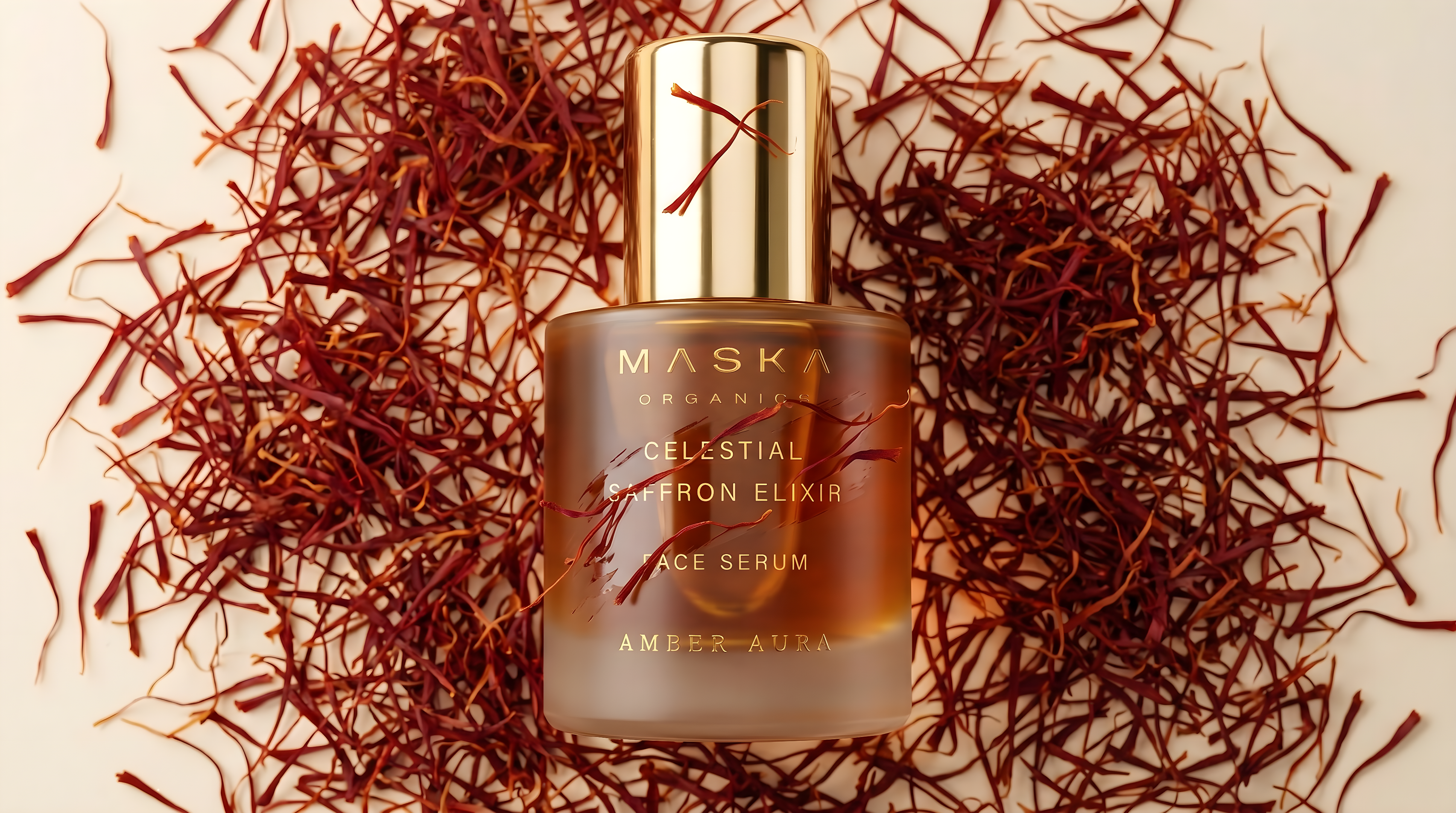
Aloe vera (Aloe barbadensis) primarily supports hydration and skin comfort through its water-binding polysaccharides, while saffron (Crocus sativus) provides antioxidant support through compounds including crocin and crocetin, helping promote a healthy-looking glow. Together, they create a balanced approach for sensitive skin: lightweight moisture, botanical comfort, and visible radiance without the greasy finish of many traditional creams.
Sensitive skin does not always need a richer cream. More often, it needs smarter hydration: ingredients that support the skin barrier, calm reactivity, and absorb quickly without leaving a heavy residue. Two botanicals that do exactly this — aloe vera and saffron — have become a particularly well-matched pairing for lightweight, glow-supporting skincare, grounded in both Ayurvedic tradition and modern ingredient research.
Why Sensitive Skin Struggles with Heavy Creams
The skin barrier — particularly its outermost layer, the stratum corneum — is responsible for keeping moisture in and irritants out. When this layer is compromised, skin loses water more easily, becomes more reactive, and is far more susceptible to discomfort from topical products.
Research published in Acta Dermato-Venereologica has linked sensitive skin with impaired barrier function, increased transepidermal water loss (TEWL), and heightened reactivity to both environmental and cosmetic triggers.[3] A separate review in Frontiers in Medicine found that sensitive skin affects a significant proportion of both women and men globally, making it one of the most prevalent skin concerns worldwide.[4]
For this skin type, applying a dense occlusive cream can sometimes make things feel worse — trapping heat, congesting pores, or sitting heavily on already-reactive skin. What sensitive skin often needs instead is water-rich hydration that absorbs quickly, supports comfort, and contains as few unnecessary irritants as possible.
Skin Science Insight: Sensitive skin is not asking for more. It is asking for better — fewer triggers, smarter hydration, and ingredients that work with the barrier rather than against it.
The Case for Gel-Based Moisturisers
Not all moisturisers work the same way. Texture and base affect how a product feels throughout the day, how well it layers, and whether sensitive skin feels comfortable after application.
| Feature | Gel-Based Moisturiser | Traditional Cream |
|---|---|---|
| Texture | Lightweight, water-rich, breathable | Dense, oil-heavy, sometimes occlusive |
| Absorption | Fast-absorbing | May take longer to settle |
| Finish | Non-greasy, soft glow | Rich or shiny finish |
| Best suited for | Sensitive, combination, oily, humid-weather routines | Very dry skin or nighttime barrier sealing |
| Layers under SPF / makeup | Yes, easily | Can pill if too heavy |
| Sensitive skin comfort | Often preferred by those who dislike heaviness | Depends on formula and ingredient profile |
For sensitive skin, the best choice is not always the richest formula. It is the formula that hydrates effectively, avoids common triggers, and feels comfortable enough to use every day.
Aloe Vera: What the Research Shows
Aloe vera (Aloe barbadensis leaf gel) has been used medicinally for thousands of years, and modern dermatology research has helped explain why it remains one of the most widely used ingredients in sensitive-skin formulations.
The gel inside the aloe leaf is rich in polysaccharides — including acemannan — which act as humectants, drawing water to the skin and helping maintain moisture levels in the outer layers of the epidermis. A 2008 review in the Indian Journal of Dermatology documented aloe's well-established soothing properties and its potential to support the skin following environmental stress.[1] A complementary review on skin barrier function highlights how humectant ingredients support the stratum corneum's ability to retain water and resist irritants.[2]
For sensitive skin specifically, aloe is valuable because it hydrates without the dense, waxy feel of many traditional creams. It spreads easily, absorbs quickly, and leaves the skin feeling refreshed rather than coated.
Key benefit: Aloe vera delivers water-rich, humectant hydration that is compatible with sensitive, reactive, and combination skin types — without the heaviness that can trigger discomfort.
Saffron: Ayurvedic Radiance, Backed by Modern Research
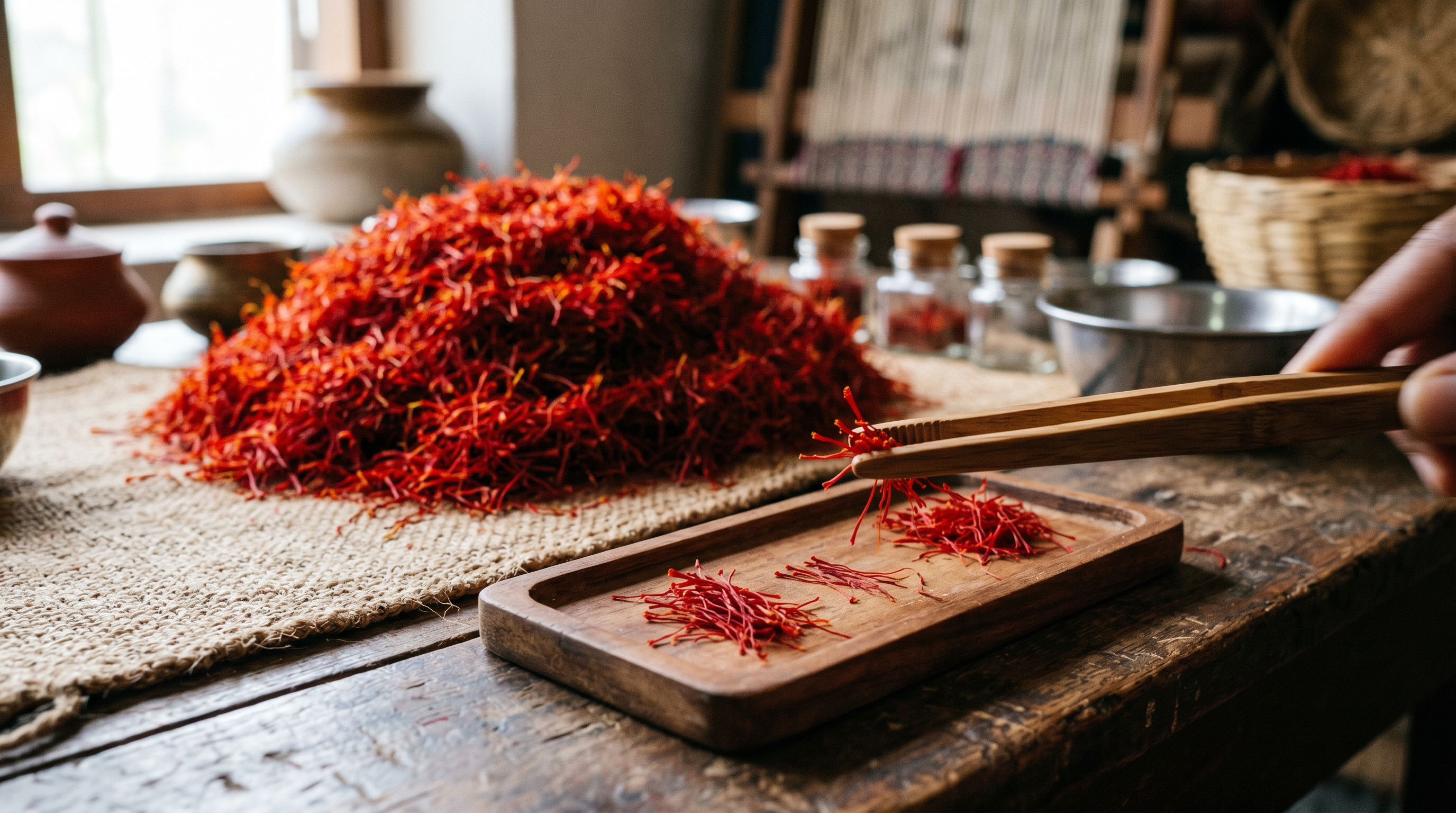
Saffron (Crocus sativus) has been prized in Ayurvedic skincare for centuries and is often associated with Varnya botanicals — ingredients traditionally used to support the appearance of skin brightness, clarity, and even tone.
What makes saffron particularly relevant for modern formulations is its naturally occurring bioactive compounds. Crocin, crocetin, and safranal — saffron's primary actives — have been studied for antioxidant and anti-inflammatory properties that may help protect skin from oxidative stress.[5][6] Oxidative stress from UV exposure, pollution, and environmental triggers is a key contributor to dullness and uneven-looking tone; antioxidant-rich botanicals like saffron may help support a brighter-looking complexion over time.
Crucially, saffron supports radiance differently from many conventional brightening ingredients. Rather than relying on harsh exfoliating acids or lightening agents that can irritate reactive skin, it works through antioxidant care — a gentler, more sustainable approach to luminosity.
Key benefit: Saffron provides antioxidant-backed botanical support for a more even-looking, naturally radiant complexion — without the sensitising risk of harsh brightening actives.
Why Aloe and Saffron Work Better Together
These two botanicals address two distinct but complementary needs in sensitive skin care: comfort and radiance. Aloe brings the water-based hydration — cooling, fast-absorbing, and naturally compatible with reactive skin. Saffron brings the glow — antioxidant support and a centuries-old association with skin clarity.
In a gel format, this combination is especially effective. The lightweight base allows both botanicals to absorb without residue, while the formula as a whole can be worn daily, layered under SPF, and used comfortably by people who have historically found rich creams too heavy.
How Aloe + Saffron Work Together
Aloe vera → Humectant hydration → Barrier comfort → Softer, calmer-looking skin
Saffron → Antioxidant defence → Reduced oxidative stress → More even-looking glow
Together in a gel base → Lightweight daily hydration + radiance, without heaviness
Why Ayurveda Still Matters in Modern Skincare
Ayurveda approaches skin care through the lens of balance, consistency, and plant intelligence. Instead of treating skin as something to overpower, Ayurvedic beauty rituals focus on supporting harmony through carefully selected botanicals, gentle textures, and mindful daily care.
This philosophy is especially relevant for sensitive skin. Many modern routines have become overloaded with strong acids, multiple actives, complex layering protocols, and aggressive correction. Sensitive skin often benefits from the opposite: fewer ingredients, more intention, and formulas the skin can absorb day after day without becoming reactive.
Ayurvedic skincare is not about doing more to the skin. It is about choosing ingredients that help the skin feel supported, balanced, and cared for over time.
Maska Organics Formulation Perspective
During formulation development, we heard the same concern repeatedly from sensitive-skin customers: they wanted hydration and glow, but not heaviness, greasiness, or irritation. Many traditional moisturisers felt too rich, while many brightening products felt too aggressive for daily use.
The central challenge was finding botanicals that could support visible radiance without provoking the barrier reactivity that so often undermines sensitive-skin routines. Aloe vera addressed the hydration side of this equation — its polysaccharide profile makes it exceptionally compatible with reactive skin. Saffron addressed the glow side, offering antioxidant activity through its crocin and crocetin compounds without the inflammatory risk that comes with strong exfoliating actives.
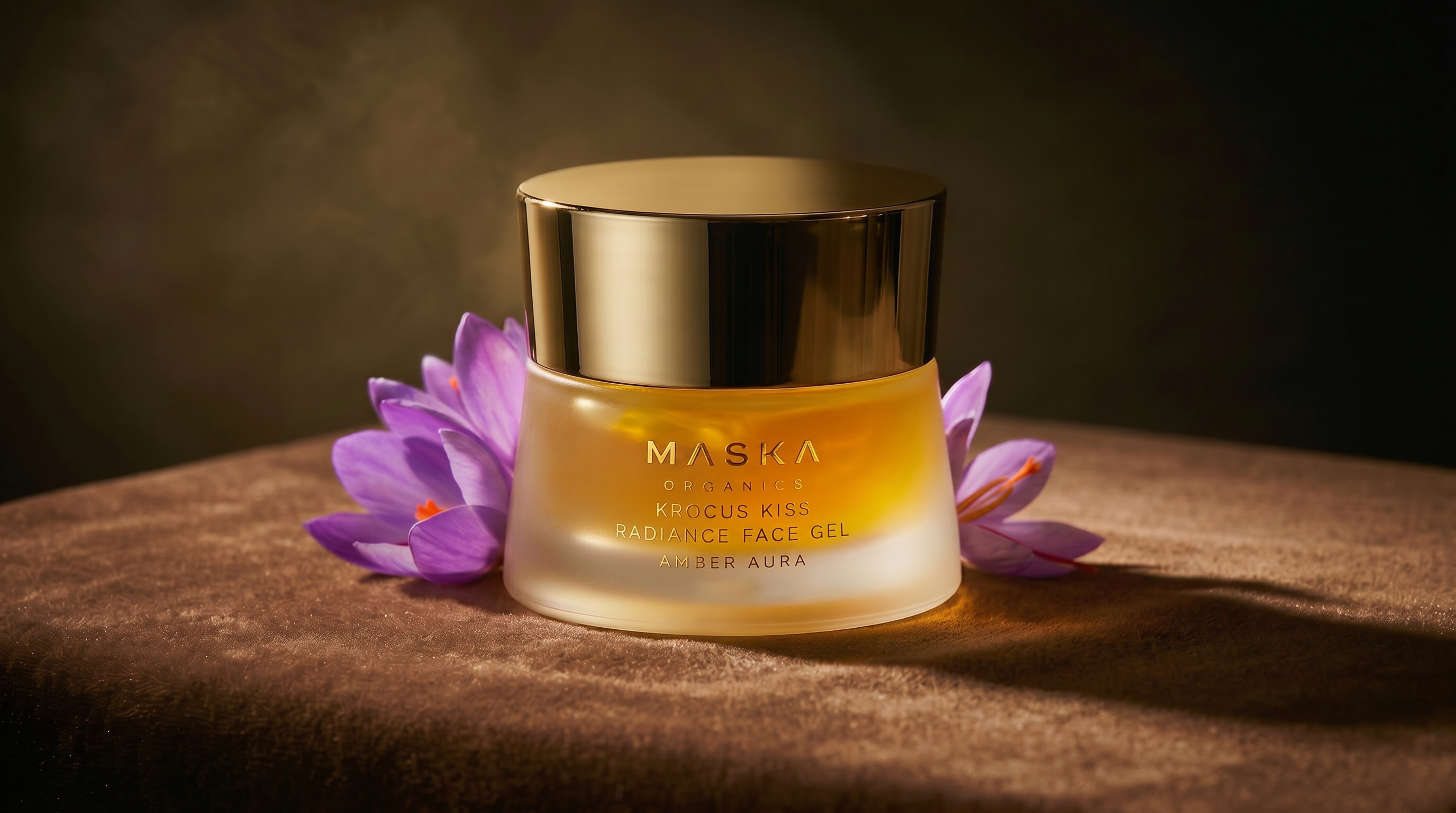
The result is Krocus Kiss Radiance Face Gel — a lightweight daily gel designed to give sensitive skin what it most commonly needs: breathable hydration, botanical comfort, and a naturally luminous finish.
7 Things to Look for in a Natural Moisturiser for Sensitive Skin
Choosing a gentle moisturiser requires more than looking for the word "clean" on a label. Sensitive skin needs formulas that are thoughtful, transparent, and consistent enough to use every day.
- Lightweight texture. Gel-based formulas absorb more easily and feel more comfortable on reactive skin than dense creams.
- Soothing botanicals. Aloe vera is one of the most well-researched options for cooling, calming hydration.
- Antioxidant support. Ingredients like saffron help protect against environmental stress that contributes to dullness and uneven tone.
- Fragrance-free or low-fragrance. Synthetic fragrance is one of the most common triggers for sensitive skin reactions.
- No harsh exfoliating acids in daily formulas. AHAs and BHAs can be useful tools but are best used thoughtfully on reactive skin.
- Good layering ability. A daily moisturiser should sit comfortably under SPF and makeup without pilling.
- Patch test first. Apply a small amount to the inner arm or jawline for 24–48 hours before applying to the full face.
How to Use a Saffron and Aloe Face Gel
Apply your face gel to clean skin after cleansing. Use a small amount and gently smooth it over the face and neck. Follow with sunscreen in the morning.
If your skin is very dry, you can layer a richer moisturiser over the gel at night. If your skin is combination, oily, or easily congested, the gel may be enough on its own. Consistency matters — a lightweight moisturiser works best when used daily as part of a simple, barrier-supportive routine.
Key Takeaways
- Sensitive skin often benefits more from lightweight, barrier-supportive hydration than from heavier creams.
- Aloe vera is a well-researched humectant that hydrates without the dense feel of traditional moisturisers.
- Saffron's bioactive compounds — crocin, crocetin, safranal — offer antioxidant support that may help promote a more even-looking complexion.
- Together in a gel base, aloe and saffron address both comfort and radiance without requiring harsh actives.
- Daily SPF remains the most important step for maintaining any glow-supporting routine.
The Bottom Line
Effective daily skincare for sensitive skin comes down to one principle: work with your skin's biology, not against it.
Aloe vera and saffron represent exactly this — a pairing grounded in both traditional botanical knowledge and modern ingredient research, formulated for people who want daily comfort, visible radiance, and a lightweight texture that sensitive skin can genuinely wear.
If heavy creams have never felt right for your skin, Krocus Kiss Radiance Face Gel may be the shift your routine has been waiting for.
Frequently Asked Questions
Is aloe vera good for sensitive skin?
Yes. Aloe vera is widely used in sensitive-skin formulations because of its cooling, water-rich texture and well-documented soothing properties. It hydrates without the heaviness of many traditional creams and is generally well tolerated by reactive skin types.
Is aloe vera a humectant?
Yes. Aloe vera contains water-binding polysaccharides including acemannan that help attract and hold moisture on the skin surface, making it especially useful in lightweight moisturisers designed to hydrate without a greasy or heavy finish.
Can saffron help brighten the look of skin?
Saffron contains bioactive compounds — including crocin and crocetin — that have been studied for antioxidant properties. In skincare, it is used to support a more radiant and even-looking complexion over time, without the use of harsh brightening agents.
Are gel moisturisers better than creams for sensitive skin?
It depends on your skin type. Gel moisturisers are generally preferred by those who want lightweight hydration, fast absorption, and a non-greasy finish. People with very dry skin may benefit from layering a richer formula on top, particularly at night.
Why do gel moisturisers feel lighter than creams?
Gel moisturisers are usually water-rich and lower in heavy oils than traditional creams, allowing them to absorb quickly, feel breathable, and leave less residue on the skin.
Is saffron suitable for sensitive skin?
Saffron can be suitable for sensitive skin when used in a balanced, well-formulated product. As with any new ingredient, patch testing is recommended before full-face use.
What ingredients should I avoid if my skin is reactive?
Common triggers include synthetic fragrance, drying alcohols, high-concentration AHAs and BHAs used daily, and overly complex formulas with multiple actives. Keeping routines simple and consistent tends to work best for reactive skin.
Can I use a saffron and aloe face gel every day?
Yes, a gentle saffron and aloe face gel can be used daily if your skin tolerates it well. Apply it after cleansing and follow with sunscreen during the day.
Research Evidence Summary
| Topic | Level of Evidence |
|---|---|
| Skin barrier function and TEWL in sensitive skin | Strong |
| Aloe vera humectant and soothing properties | Strong |
| Gel vs cream preference in sensitive/combination skin | Moderate |
| Saffron antioxidant and anti-inflammatory activity | Moderate to strong |
| Saffron complexion-support and pigmentation pathways | Emerging to moderate |
Scientific References
- Surjushe A, Vasani R, Saple DG. Aloe Vera: A Short Review. Indian Journal of Dermatology. 2008;53(4):163–166. PubMed: PMID 19882025.
- Rawlings AV, Harding CR. Moisturization and Skin Barrier Function. Dermatologic Therapy. 2004;17 Suppl 1:43–48. PubMed: PMID 14728697.
- Misery L, et al. Sensitive Skin Syndrome: An Update. Acta Dermato-Venereologica. 2016;96(5):571–574. PubMed: PMID 26841786.
- Farage MA. The Prevalence of Sensitive Skin. Frontiers in Medicine. 2019;6:98. PubMed: PMID 31157224.
- Cerdá-Bernad D, et al. Saffron bioactives crocin, crocetin and safranal: effect on oxidative stress and mechanisms of action. Critical Reviews in Food Science and Nutrition. 2022;62(12):3232–3249. PubMed: PMID 33356506.
- Gohari AR, Saeidnia S, Mahmoodabadi MK. An Overview on Saffron, Phytochemicals, and Medicinal Properties. Pharmacognosy Reviews. 2013;7(13):61–66. PubMed: PMID 23722094.
Scientific Review & Accuracy
This article has been internally reviewed against published dermatological and phytochemical research available at the time of publication. It is intended for educational purposes and is not a substitute for medical diagnosis or professional skincare advice.
Last reviewed: June 2026
Disclaimer
This article is intended for educational and informational purposes only and should not be considered medical advice. Individual skin responses vary. Consult a qualified dermatologist or healthcare professional regarding specific skin concerns, persistent sensitivity, or medical conditions.