Why Your Hyperpigmentation Isn't Fading
Struggling with dark spots? Learn why harsh treatments can backfire, how post-inflammatory hyperpigmentation develops, and how a gentle, barrier-first Ayurvedic skincare routine can support a more even-looking complexion.
The Sensitive Skin Paradox: Why Your Brightening Routine Might Be Backfiring
Sensitive skin and hyperpigmentation create a frustrating catch-22: the treatments most commonly recommended to fade dark spots are often the very things making them worse.
Post-inflammatory hyperpigmentation (PIH) occurs when skin injury or irritation triggers melanocytes - the cells responsible for pigment - to produce excess melanin as part of the skin's protective response. For sensitive skin types, that "injury" does not always require a sunburn or acne breakout. It can come from a high-percentage acid serum, an unstable vitamin C formula that causes stinging, aggressive scrubbing, or a routine that strips the skin barrier before the skin has time to recover.
Skin Science Insight: PIH is often driven by inflammation rather than pigment alone. That means the most effective strategy is not simply to "bleach" dark spots, but to reduce the inflammatory triggers that keep activating new pigment production.
This is the inflammatory cascade: irritation fuels pigment production, pigment production creates visible dark spots, and the frustration of slow fading often leads people to use stronger treatments that create even more irritation. Breaking the cycle requires a different mindset. Instead of forcing the skin to brighten, the goal is to create a calm, well-supported environment where the skin can gradually regulate pigment more evenly.
That is where the logic behind Ayurveda becomes relevant to modern skincare. Classical Ayurvedic beauty rituals focus on balance, barrier comfort, and botanical support rather than stripping or over-correcting. Modern dermatology increasingly echoes the same idea: skin that is inflamed, dry, or reactive is less likely to respond well to aggressive brightening routines.
How Long Does Hyperpigmentation Take to Fade Naturally?
Realistic expectations are the foundation of any successful treatment plan. With hyperpigmentation, most people are working against a biological timeline that cannot be rushed without consequences.
The skin's natural renewal cycle is commonly described as roughly four weeks, but visible fading often takes longer because pigment may sit at different depths in the skin. Surface-level discoloration can soften over several weeks with consistent care. Deeper PIH, especially after acne, irritation, or picking, may take several months or longer to visibly improve.
Impatience is where many routines go wrong. When results feel slow, the instinct is to exfoliate more often, add another active, or switch to stronger acids. For sensitive skin, that approach can reset the healing clock. Over-stripping the barrier signals the skin that it is under stress, and stressed skin is more likely to stay inflamed.
Timeline at a Glance
Weeks 1-4: Barrier stabilization; reduced tightness, redness, and reactivity
Weeks 4-8: Surface dullness and newer marks may begin to soften
Months 3-6: More noticeable improvement with consistent sun protection and botanical support
Months 6+: Deeper PIH may continue to fade gradually when new inflammation is avoided
Barrier-First Takeaway: Gentle exfoliation for hyperpigmentation is not a compromise. For sensitive skin, it is often the smarter path because it supports gradual cell turnover without repeatedly triggering the inflammation that darkens spots.
Progress with a gentle, botanical-led approach is incremental by design. The goal is not to force the fastest possible peel; it is to avoid the repeated micro-injuries that keep pigment active.
Why Hyperpigmentation Keeps Returning
Many people treat dark spots as a surface issue, but persistent hyperpigmentation is often a pattern of repeated triggers. The mark fades slightly, the skin becomes irritated again, and pigment returns before the skin has truly stabilized.

This is why a brightening routine for sensitive skin should begin with calmness, not intensity. When the barrier is more comfortable, the skin is better positioned to tolerate targeted brightening botanicals.
Why Skin Barrier Damage Matters
When discussing hyperpigmentation, most attention focuses on melanin. Yet one of the most overlooked contributors to persistent discoloration is the condition of the skin barrier itself.
The skin barrier is the outermost protective layer responsible for retaining moisture, defending against environmental stressors, and regulating inflammatory responses. When this barrier becomes compromised through excessive exfoliation, harsh cleansers, overuse of active ingredients, or environmental stress, the skin becomes more vulnerable to irritation.
For sensitive skin, this creates a problem. Every episode of irritation can stimulate inflammatory pathways that signal melanocytes to produce more pigment. In other words, a damaged barrier does not merely make skin uncomfortable; it can actively contribute to the cycle that keeps dark spots visible.
Barrier Health Insight: A healthy skin barrier helps reduce unnecessary inflammation, improves tolerance to active ingredients, and creates an environment where discoloration can fade more effectively over time.
This relationship between barrier health and pigmentation is why modern dermatology increasingly emphasizes barrier repair alongside pigment correction. The goal is not simply to remove discoloration but to create conditions that discourage new pigmentation from forming in the first place.
Once the barrier is supported, the skin is better prepared to benefit from brightening ingredients. This is where saffron becomes particularly relevant, offering antioxidant and anti-inflammatory support while aligning with a gentler, barrier-conscious approach to skincare.
Why Saffron Is Emerging as a Gentle Alternative for Hyperpigmentation
Saffron is a compelling botanical for gentle skincare for hyperpigmentation because it works at the level where dark spots begin: oxidative stress, inflammation, and pigment signaling.
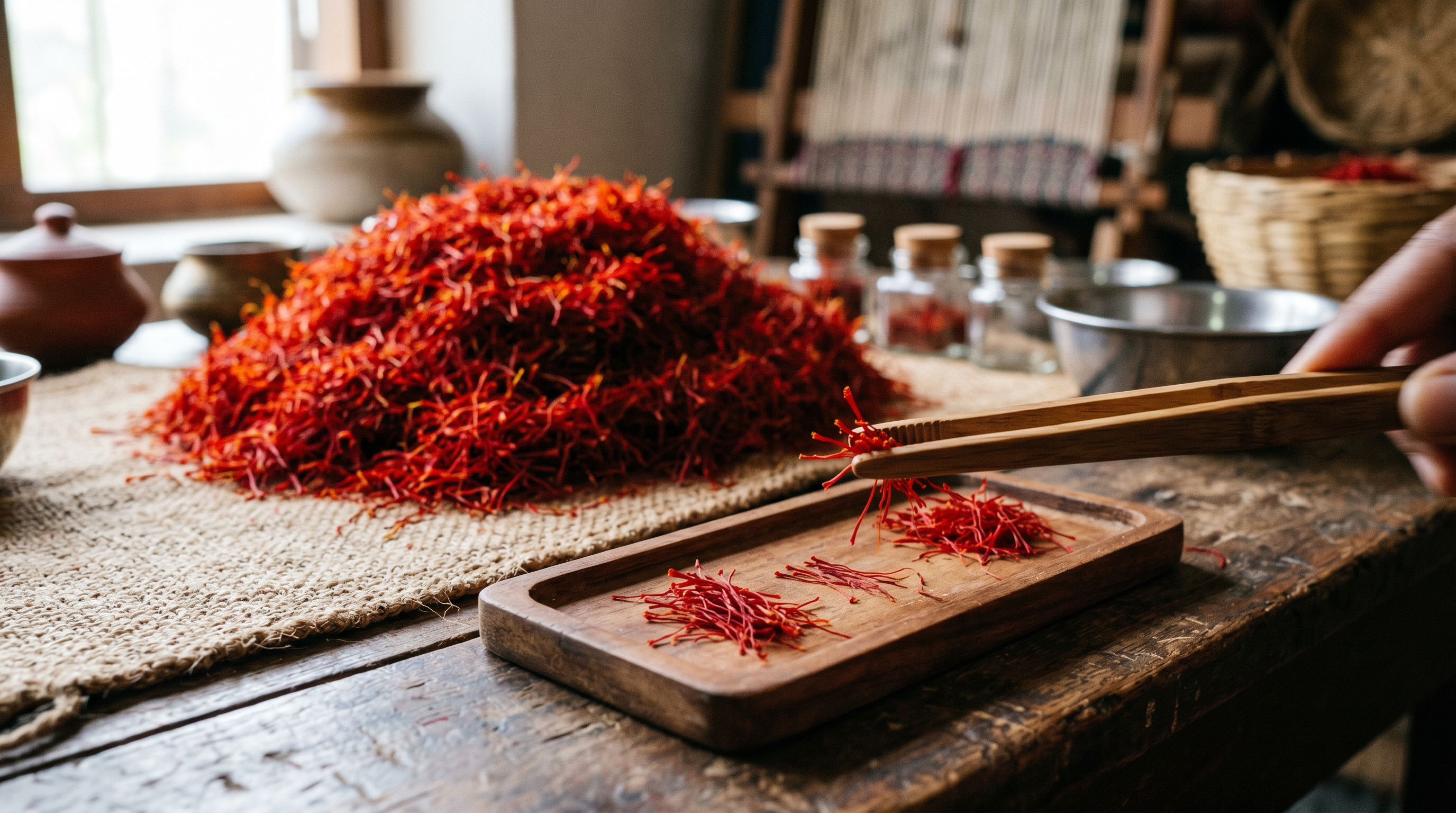
Saffron contains bioactive compounds such as crocin, crocetin, and safranal, which have been studied for antioxidant and anti-inflammatory activity. In pigmentation care, this matters because oxidative stress and inflammation can both contribute to uneven tone. Rather than relying on aggressive exfoliation alone, saffron supports the skin through a calmer pathway.
The mechanism is important: many brightening ingredients work by influencing tyrosinase, the enzyme involved in melanin production. Emerging research suggests saffron compounds may help support a more even-looking complexion through antioxidant defense and pigmentation-related pathways. This makes saffron especially interesting for sensitive skin users who want visible radiance without the irritation trade-off often associated with strong acids or harsh lighteners.
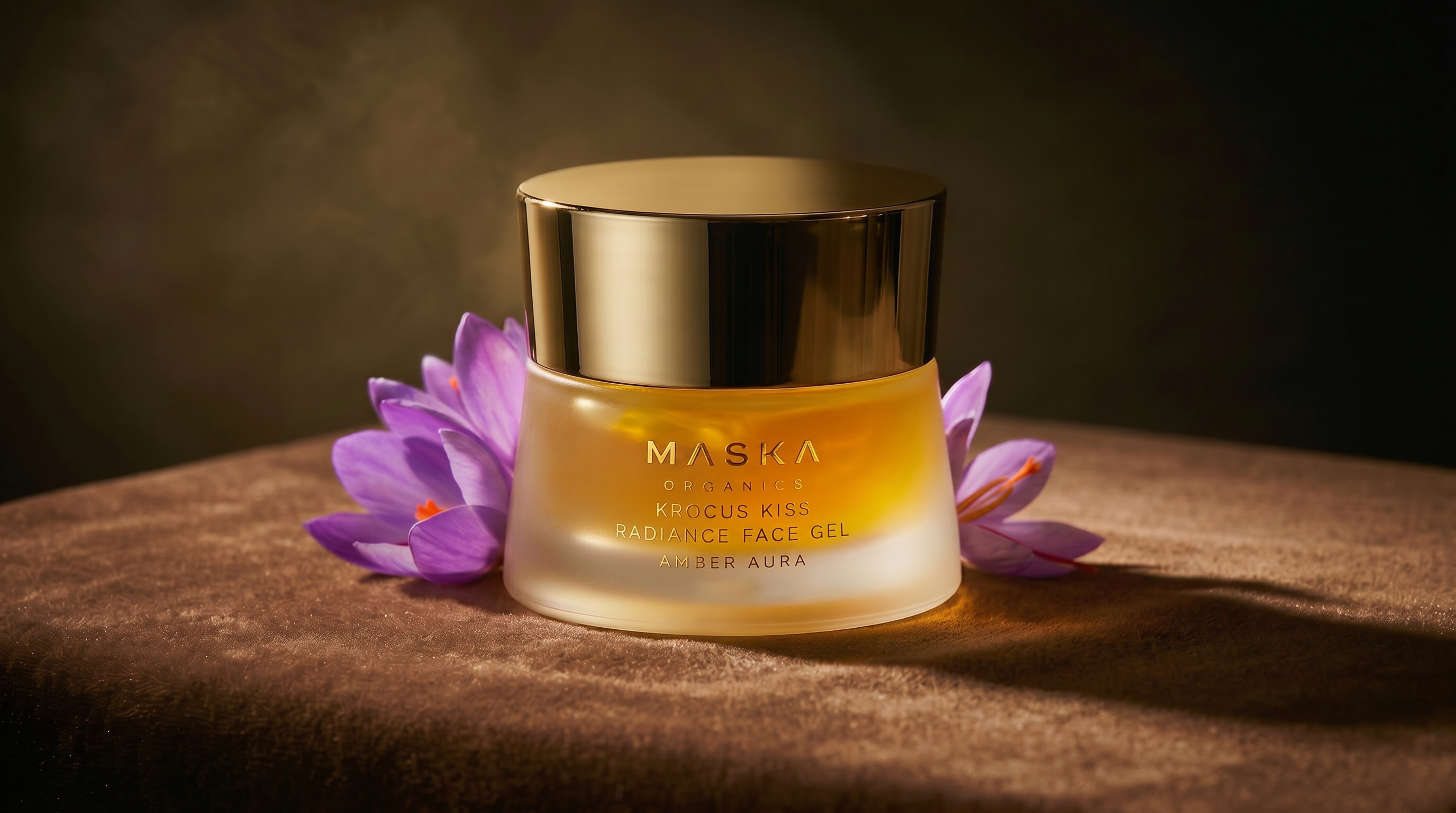
For a more targeted ritual, Celestial Saffron Elixir brings saffron into a refined skincare format designed to support a luminous, balanced-looking complexion while respecting sensitive skin comfort.
Comparing Common Hyperpigmentation Approaches
| Approach | Pigment Support | Irritation Risk | Suitable for Sensitive Skin |
|---|---|---|---|
| Hydroquinone | High | High | Limited; best used with professional guidance |
| High-Strength Acids | Moderate | High | Often poor if the skin barrier is already reactive |
| Retinoids | Moderate | Moderate | Variable; depends on strength and tolerance |
| Saffron + Licorice Root | Moderate | Low | Often well-suited to gentle, sensitive-skin routines |
Formulation Perspective: The gentlest brightening routine is not the weakest routine. It is the routine that delivers pigment-supporting ingredients without repeatedly provoking the skin barrier.
Dark Spot Mistakes That Keep Sensitive Skin Stuck
Most people trying to understand how to treat post-inflammatory hyperpigmentation naturally are already doing several things that quietly undo their progress. The biggest barrier to fading dark spots is often not the absence of one miracle product - it is the presence of repeated, avoidable irritation.
-
Skipping SPF on cloudy days. UV exposure is one of the strongest triggers for melanin production. Even the best brightening routine will struggle if the skin is repeatedly exposed without protection.
-
Using physical scrubs on inflamed skin. Gritty exfoliants can create mechanical stress on already-reactive skin and may worsen redness or post-breakout marks.
-
Stacking too many actives at once. Combining vitamin C, retinoids, AHAs, BHAs, and exfoliating masks can overwhelm sensitive skin.
-
Picking at blemishes. Picking disrupts the wound-healing process and is one of the most common routes to lingering PIH.
-
Ignoring the skin barrier. A compromised barrier often feels tight, stings easily, and reacts to products that previously felt comfortable.
-
Changing products every few days. Pigment care requires consistency. Constantly switching products makes it harder to identify what is helping or hurting.
-
Using harsh cleansers before brightening products. A stripped face is more likely to sting when actives are applied, even if the active itself is not the only problem.
-
Expecting overnight fading. Hyperpigmentation fades gradually. Rushing often causes the irritation that slows results.
-
Applying actives to damp, irritated skin without guidance. Damp skin can increase penetration, which may be helpful for some products but irritating for strong acids or retinoids.
-
Forgetting hydration. Dehydrated skin often looks duller, rougher, and more uneven, making discoloration appear more pronounced.
-
Treating every dark spot the same way. Sun spots, melasma, acne marks, and PIH may respond differently. Persistent or worsening pigmentation should be evaluated by a dermatologist.
Avoiding these mistakes sets the stage for real, cumulative results. The next question is how you cleanse and exfoliate, because the first step of the routine can either calm the skin or restart the irritation cycle.
The Ayurvedic Approach to Gentle Exfoliation and Cleansing
Switching to an Ayurvedic face wash for glowing skin is not just a trend. It reflects a fundamentally different philosophy that treats cleansing as the first act of balance, not just the removal of oil.
Conventional cleansers can sometimes leave the skin feeling tight, dry, or squeaky clean. That feeling may seem refreshing for a moment, but for sensitive skin it can indicate that the barrier has been disrupted. A more supportive cleanser removes daily impurities while preserving comfort.
Ayurvedic formulation approaches cleansing differently. Rather than focusing only on oil removal, they emphasize harmony: removing buildup while keeping the skin soft, hydrated, and prepared for the next step of care.
A gentle cleanser such as Velvet Virtuoso Facial Cleanser supports this barrier-first approach by helping cleanse without the tight, stripped feeling that can make sensitive skin more reactive. When used as the first step in a pigmentation-focused routine, a gentle cleanser helps create the calm baseline that brightening botanicals need.
Ritual Tip: Spend 60 seconds massaging your cleanser in slow, upward circles. The goal is not to scrub harder; it is to cleanse thoroughly while keeping the skin calm enough to receive the rest of the routine.
Enzymatic or very gentle exfoliation can also play a role, but frequency matters. For sensitive skin with PIH, exfoliating less often - and more intentionally - is usually safer than trying to polish dark spots away.
What Dermatologists Know About PIH
Key Insight: Dark spots do not fade because skin is forced into renewal. They fade when inflammation is reduced, UV exposure is controlled, and the skin barrier is healthy enough to regulate pigment production normally.
Dermatology guidance on hyperpigmentation consistently returns to a few core principles: identify the trigger, protect from UV exposure, reduce inflammation, and avoid unnecessary irritation. This is especially important for deeper skin tones and reactive skin types, where inflammation can more easily leave visible marks.
Expert-Informed Takeaway: Hyperpigmentation care is most successful when it prevents new discoloration while gradually supporting the fading of existing marks. Treating pigment without addressing irritation is an incomplete strategy.
This is why a routine built around gentle cleansing, daily sunscreen, hydration, and well-tolerated botanicals can be more sustainable than a routine built around repeated aggressive exfoliation. The slower path is often the one that produces fewer setbacks.
The Bottom Line: How to Treat PIH Naturally
Effective skincare for hyperpigmentation on sensitive skin comes down to one principle: work with your skin's biology, not against it.
The path to fading dark spots is not paved with stronger acids alone. It is built on consistency, protection, barrier comfort, and botanicals the skin can tolerate. Ingredients such as saffron and licorice root are valuable because they support a more even-looking complexion while aligning with a calmer, less inflammatory routine.
A gentle hyperpigmentation routine, distilled:
- Protect daily: Use broad-spectrum SPF to reduce new pigment triggers.
- Cleanse gently: Avoid tightness, stripping, and harsh scrubbing.
- Use botanicals consistently: Saffron and licorice root can support a brighter, more even-looking complexion over time.
- Exfoliate carefully: Choose gentle methods and avoid overuse.
- Support the barrier: Hydration and barrier comfort help reduce the irritation cycle that worsens PIH.
The real reason many treatments fail is not always lack of potency - it is misalignment. When a formula disrupts the barrier while trying to brighten, the skin may take two steps back for every one step forward. True visible improvement happens when inflammation is consistently low, the barrier is consistently supported, and melanin production has fewer new triggers to respond to.
Beyond Brightening: Restoring Your Skin's Natural Harmony
True skin radiance is not something you force. It is something you uncover by removing the obstacles standing between your skin and its natural balance.
Every section of this article points toward the same truth: harsh chemicals, over-exfoliation, and reactive skincare do not always resolve hyperpigmentation. For sensitive skin, they can perpetuate the inflammation that created it. Ayurveda understood this long before modern skincare had the vocabulary to explain it: the skin does not need to be fought into submission; it needs to be nurtured back to equilibrium.
Radiance, in the Ayurvedic framework, is what happens when balance is restored. Uneven tone, dullness, and persistent dark spots are often signs of disruption - and the most effective response is calm, consistent support rather than chemical force.
If your current routine has been treating your skin like a problem to solve, it may be time to treat it like a system to support. Maska's saffron-infused Première Collection was developed around these same barrier-first principles, combining Ayurvedic botanical traditions with the needs of modern sensitive skin.
Explore the Première Collection and begin your barrier-first brightening ritual today.
Frequently Asked Questions
Can hyperpigmentation become permanent?
Some forms of hyperpigmentation can persist for a long time, especially if the skin continues to experience inflammation, UV exposure, or repeated picking. Many marks improve gradually, but stubborn or changing pigmentation should be assessed by a dermatologist.
What is the gentlest treatment for hyperpigmentation?
For sensitive skin, the gentlest approach usually includes daily sunscreen, a non-stripping cleanser, hydration, and well-tolerated brightening botanicals such as saffron and licorice root. The goal is to reduce new triggers while supporting gradual visible improvement.
Does saffron help fade dark spots?
Research suggests saffron's active compounds may help support antioxidant defense, calm visible irritation, and influence pathways involved in uneven pigmentation. In skincare, saffron is best understood as a gentle brightening support rather than an overnight spot remover.
How often should sensitive skin exfoliate?
Many sensitive skin routines do best with gentle exfoliation one or two times per week, depending on tolerance. If the skin stings, burns, flakes, or becomes red, exfoliation should be reduced and the barrier should be supported first.
Is Vitamin C always suitable for sensitive skin?
Not always. Vitamin C is a well-researched brightening ingredient, but some high-potency or low-pH formulas can sting or irritate sensitive skin. A gentler botanical-led approach may be better tolerated for some people.
What skincare mistakes make hyperpigmentation worse?
The most common mistakes include skipping sunscreen, picking at blemishes, over-exfoliating, using harsh scrubs, and layering too many strong actives at once. Each of these can increase irritation and trigger more visible discoloration.
Can an Ayurvedic cleanser help with dark spots?
A cleanser does not erase dark spots by itself, but a gentle Ayurvedic cleanser can support the routine by cleansing without stripping the skin. This helps reduce the irritation cycle that can make PIH linger.
Scientific Review & Accuracy
This article has been internally reviewed against published dermatological, phytochemical, and botanical research available at the time of publication. It is intended for educational purposes and is not a substitute for medical diagnosis or treatment.
Last reviewed: June 2026
Research Evidence Summary
| Topic | Level of Evidence |
|---|---|
| UV exposure as a pigmentation trigger | Strong |
| Inflammation's role in PIH | Strong |
| Barrier support for sensitive skin | Strong |
| Saffron antioxidant and anti-inflammatory activity | Moderate to strong |
| Saffron and pigmentation pathway support | Emerging to moderate |
Maska Organics Formulation Perspective
Developing skincare for PIH-prone sensitive skin presented a specific challenge: most brightening actives capable of influencing pigmentation pathways carry a real irritation risk — the very thing that worsens PIH in the first place. Our formulation philosophy for this article's approach centres on saffron as the lead active precisely because of its dual action: supporting a more even-looking complexion while calming the inflammatory environment that keeps dark spots active.
We evaluated multiple saffron sources before selecting premium Kashmiri saffron for the Celestial Saffron Elixir — chosen for its superior crocin profile and the integrity of its small-batch extraction process. Alongside this, the Velvet Virtuoso Facial Cleanser was formulated to function as a barrier-first foundation for any brightening routine: cleansing without stripping, so that the skin arrives at each treatment step in a calm, receptive state rather than a compromised one.
Key Takeaways
- Post-inflammatory hyperpigmentation is often driven by inflammation.
- Barrier damage can prolong visible discoloration.
- Daily sunscreen remains the most important prevention strategy.
- Gentle botanical ingredients such as saffron and licorice root may support a more even-looking complexion.
- Consistency and barrier support generally outperform aggressive treatment cycles for sensitive skin.
Scientific References
- Harvard Health Publishing. (2023). Demystifying hyperpigmentation: causes, types, and effective treatments. View article.
- American Academy of Dermatology Association. (2024). How to fade dark spots in darker skin tones. View article.
- Cleveland Clinic. (2023). Hyperpigmentation: causes, symptoms and treatment. View article.
- Rawlings AV, Harding CR. Moisturization and skin barrier function. Dermatologic Therapy. 2004;17 Suppl 1:43-48. PubMed: PMID 14728697.
- Cerdá-Bernad D, Valero-Cases E, Pastor JJ, Frutos MJ. Saffron bioactives crocin, crocetin and safranal: effect on oxidative stress and mechanisms of action. Critical Reviews in Food Science and Nutrition. 2022;62(12):3232-3249. PubMed: PMID 33356506.
- Zeinali M, et al. Immunoregulatory and anti-inflammatory properties of Crocus sativus (saffron) and its main active constituents: a review. Iranian Journal of Basic Medical Sciences. 2019;22(4):334-344. PubMed: PMID 31223464.
- Davis EC, Callender VD. Postinflammatory hyperpigmentation: a review of the epidemiology, clinical features, and treatment options in skin of color. Journal of Clinical and Aesthetic Dermatology. 2010;3(7):20–31. PubMed: PMID 20725554.
Disclaimer
This article is intended for educational and informational purposes only and should not be considered medical advice. Individual skin responses vary. Consult a qualified dermatologist or healthcare professional regarding specific skin concerns, persistent pigmentation, melasma, or medical conditions.