Your Skin Is Not Your Enemy.
Why women who put down the peels, the acids and the “if it burns, it’s working” serums, and started feeding their skin instead, are finally seeing it glow.

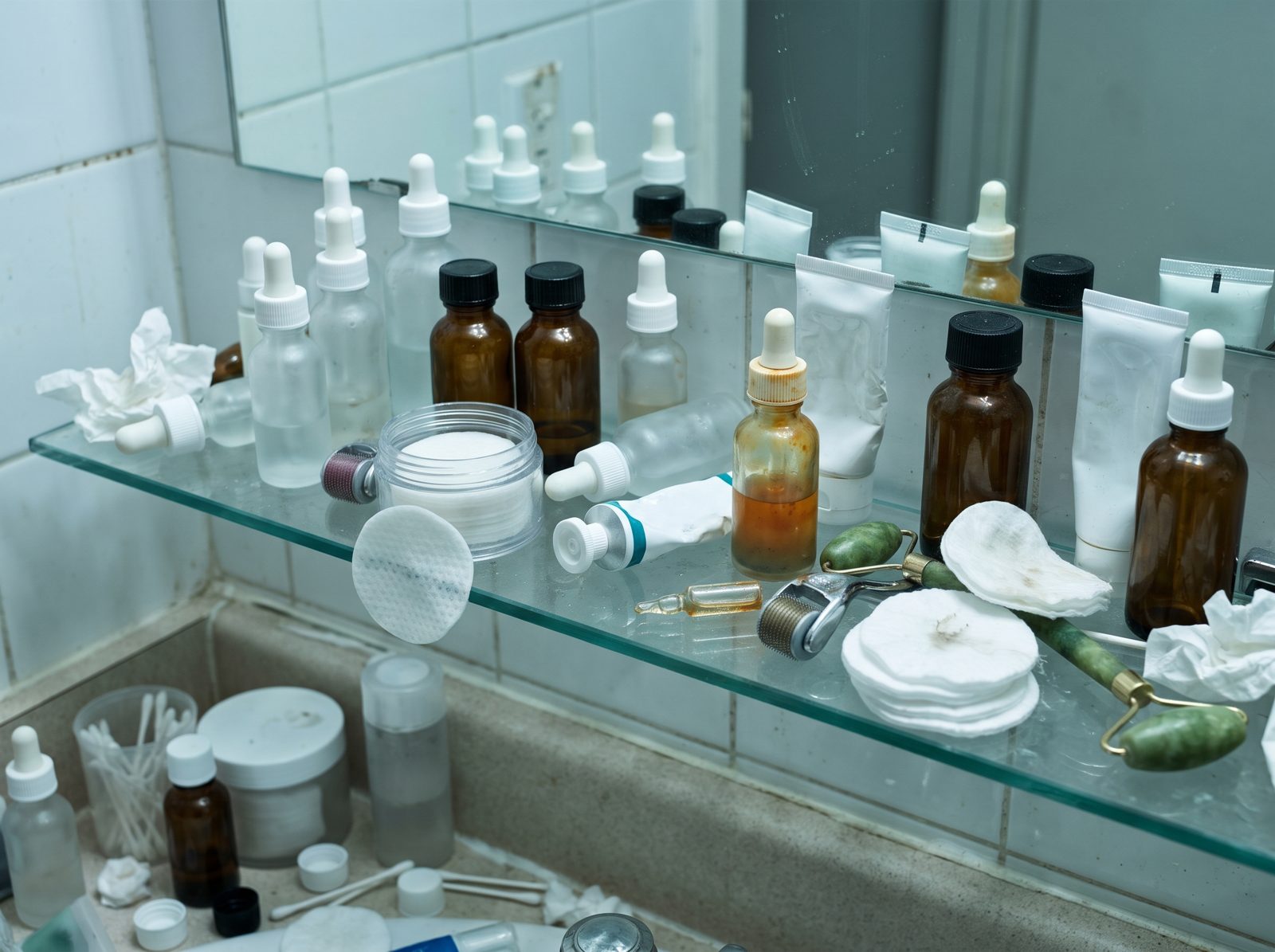
Think about the words on your bathroom shelf for a second. Not the brand names. The verbs.
- Peel.
- Resurface.
- Correct.
- Erase.
- Attack.
- Target.
- Combat.
- Defy.
Somewhere along the way, skincare stopped being something you did for your face and became something you did to it. A daily campaign against your own skin, run from a shelf that looks more like an arsenal than a ritual.
And you were told the sting was a good sign. The tightness meant it was working. The peeling was “purging.” The redness would pass.
So you pushed through. A stronger retinol. A second acid. A vitamin C that had to be refrigerated, then turned orange anyway. A spot corrector for the spots, a calming cream for what the spot corrector did, and a concealer for everything in between.
Here’s the uncomfortable question this article is about:
The cycle nobody warns you about
Most of us never decide to go to war with our skin. It happens one reasonable product at a time. But look at how the pattern tends to play out, and you may recognize your last few years in it:
The Skin War Cycle
Spend five minutes in any skincare forum and you’ll hear the same story in a hundred different voices. A new retinol, then a vitamin C, then an acid toner to keep up, and suddenly skin that was “a little uneven” is red, blotchy, stinging, and reacting to products it used to tolerate fine.
The usual advice for skin in that state is almost funny in its simplicity: stop. Strip the routine back. Gentle cleanser. Moisture. Sunscreen. Let the skin settle down.
And the beauty world is quietly catching up. The “freeze, peel and purge” mindset and the idea that irritation is a sign of progress are falling out of favor. The trend everyone is talking about, “skinimalism,” is really just a polite way of saying the war didn’t work.
It isn’t your fault. You were sold a fight.
If any of this sounds like you, please hear this first: you didn’t fail at skincare. You followed the instructions. You did exactly what the labels, the ads and the influencers told you to do.
The problem is the premise. Most modern “glow” routines start from the assumption that your skin is a problem to be overpowered. Too dull, so strip the surface. Too uneven, so bleach the spots. Too textured, so dissolve it.
But skin isn’t an opponent. It’s a living organ that’s been working for you every single day, keeping moisture in, keeping the world out, renewing itself while you sleep. When you hit it with force, it does what anything does under attack: it defends itself. It gets tight, red, reactive and tired-looking.
Which raises a better question: what happens if you stop fighting it and start feeding it?
The tradition that never saw skin as the enemy
Long before chemical peels and 20% serums, Ayurveda, India’s traditional system of wellness, approached skin in a completely different way. Not as something to correct, but as something to nourish. Its beauty rituals are built on oils, milk, roots and flowers, applied gently and consistently, night after night.
The most treasured of these is a classical face oil called Kumkumadi, named for kumkuma, the Sanskrit word for saffron. For centuries it’s been the ritual for a clear, even, lit-from-within complexion. It doesn’t get there by stripping anything away. It gets there by giving skin what it needs to look its best on its own.

That philosophy is the entire idea behind Maska Organics. Their founding line says it better than we can:
- Strips the surface to force a “fresh” look
- Irritation is treated as proof it’s working
- Every new concern means another active
- Results you have to keep defending
- Nourishes with lipids, vitamins and antioxidants
- Comfort is the goal, not the side effect
- One steady nightly ritual
- A glow that comes from skin that’s cared for
Inside the serum built on “feed, don’t fight”
Maska’s Celestial Saffron Elixir is a Kumkumadi-inspired face serum made in small batches the slow, traditional way. Instead of a single high-strength active, it works through three gentle principles:
1. It feeds skin the lipids it’s been missing
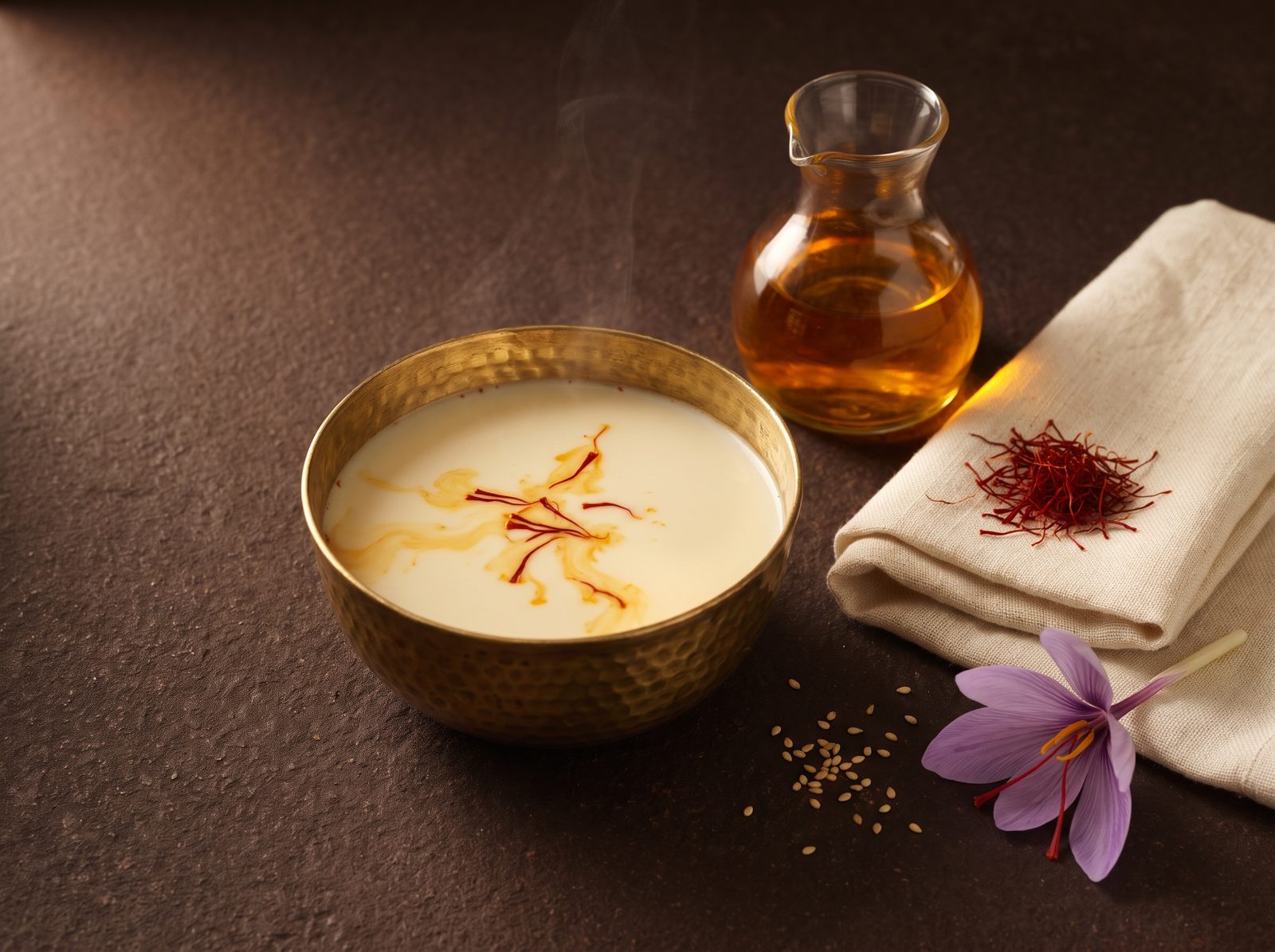
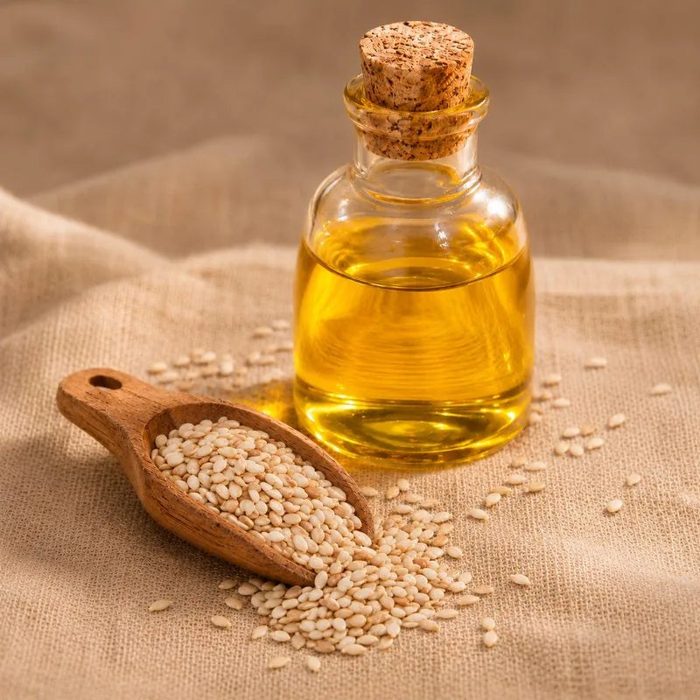
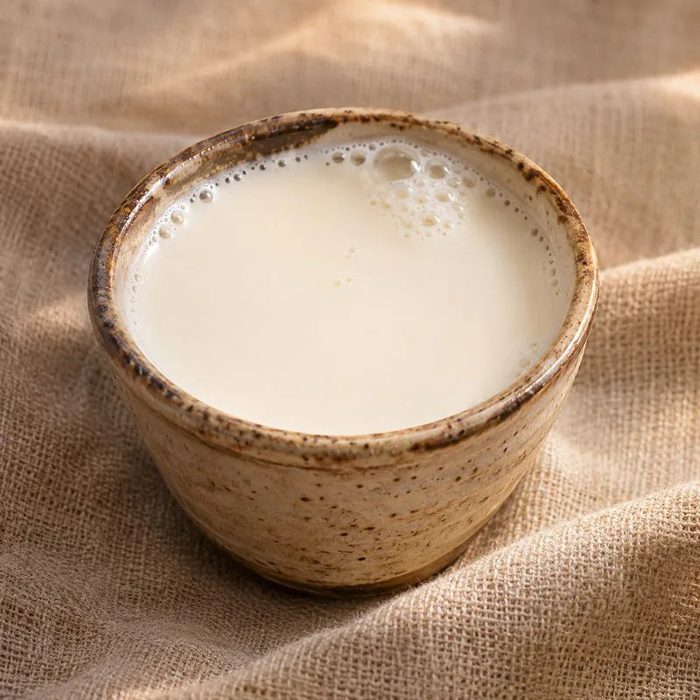
The base is sesame seed oil, the classic Ayurvedic carrier oil, prized for its skin-softening lipids and natural vitamin E. It’s paired with cow’s milk, a traditional ingredient in the original recipe. Together they help seal in moisture, so skin feels soft, supple and comfortable instead of tight.
2. It steeps saffron the way it was meant to be used
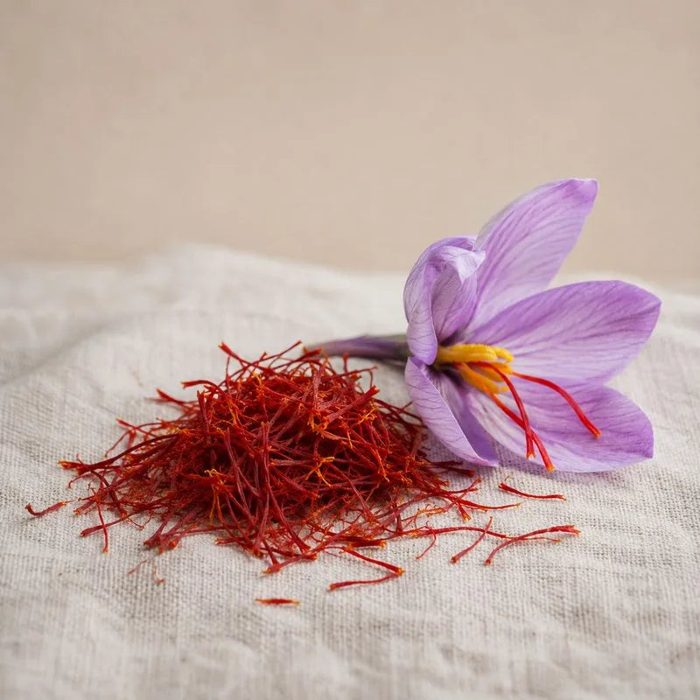
Here’s a detail most “saffron” products skip: saffron’s signature golden pigment, crocin, dissolves in water, not oil. That’s why the classical method steeps saffron in milk alongside the oil. It’s a slow process, and it’s the reason Kumkumadi has been trusted for brightness for generations.
3. It calms instead of provokes
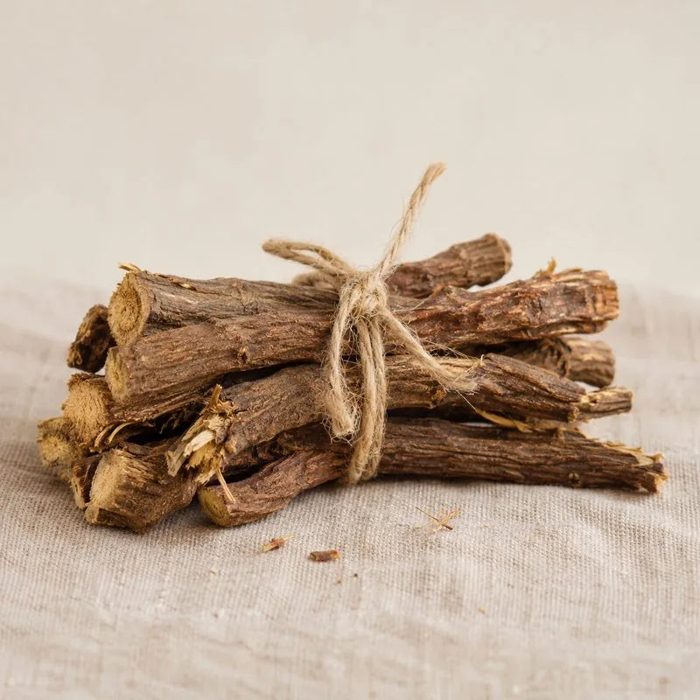
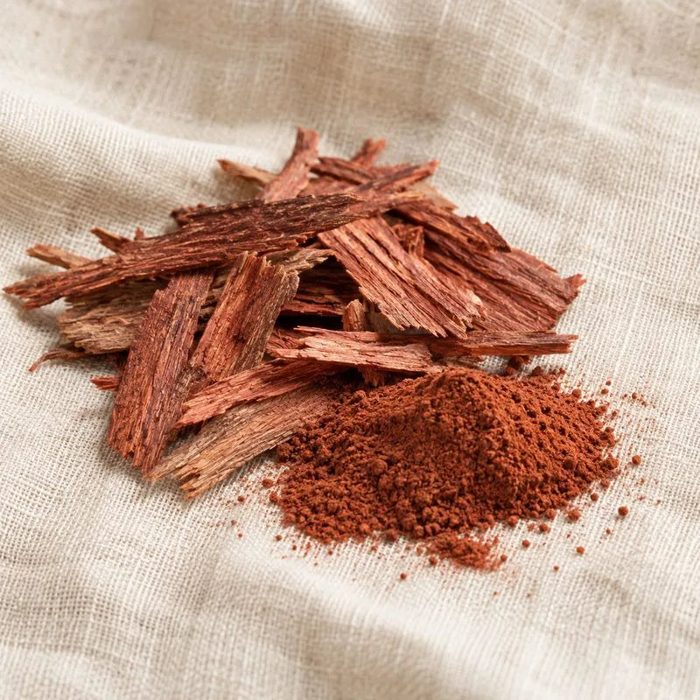
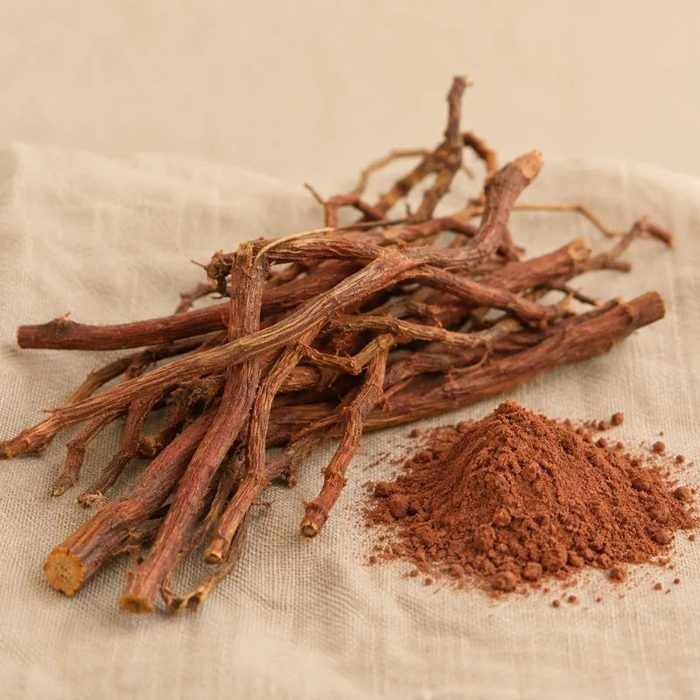
Around the saffron sits a supporting cast of gentle botanicals, including licorice, red sandalwood, lotus, manjistha, vetiver, turmeric and Dashamoola (the “ten roots” of Ayurveda). No retinoids. No acids. No synthetic fragrance, sulfates, parabens, silicones or artificial colors.
The things you’ve been fighting, without the fight
You don’t have to give up on wanting better skin to give up the war. The concerns that drove you to the arsenal in the first place are still worth caring about. They just respond better to care than to force.


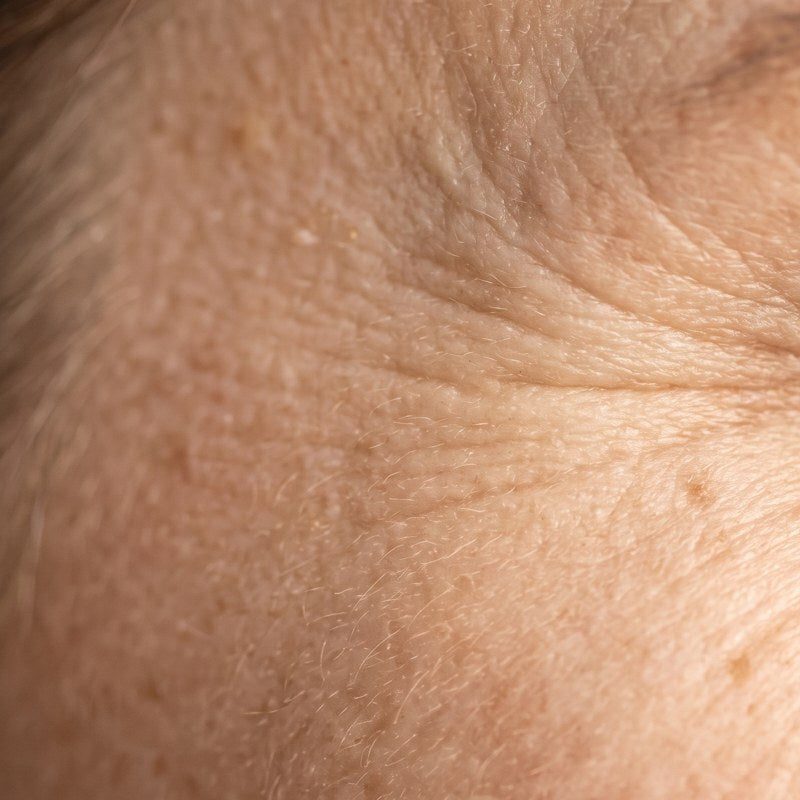
What happens when you call a truce
One of the first things people notice is how it feels. It’s a lightweight oil that sinks in without greasiness. No sting, no tightness, no waiting for the redness to go down before bed. Then, over the following weeks, the changes start to show:
Skin feels softer, smoother and more balanced. Two to three drops is all it takes.
Skin looks more comfortable and settled, with a soft, healthy-looking sheen in the morning.
Dull, uneven-looking skin looks more radiant and smoother. Dark spots start to look less noticeable.
Maska asked 50 women to use the serum every night for four weeks. Here’s what they reported:
Based on a 4-week consumer perception survey of 50 women using Celestial Saffron Elixir nightly. Individual results may vary.
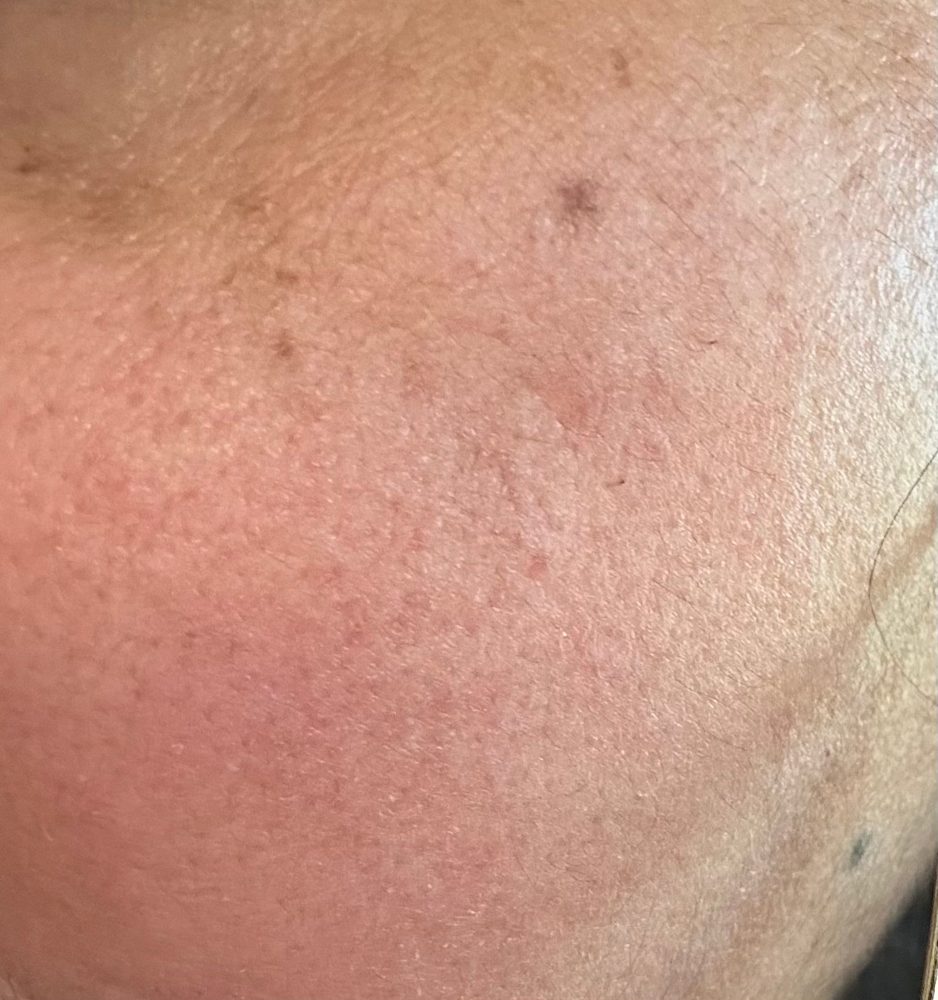

Real customer photos from maskaorganics.com. Individual results may vary.
I absolutely love it! My skin has really been enjoying it, and I’m especially in love with the scent.
Notice the language. Not “it finally fixed my face.” “My skin has really been enjoying it.” That’s what it sounds like when skincare stops being a battle.
A ritual, not a regimen
This is the part people end up loving most. Instead of a twelve-step routine with timers and rules about which active can’t touch which, it’s a quiet two-minute ritual at the end of the day:
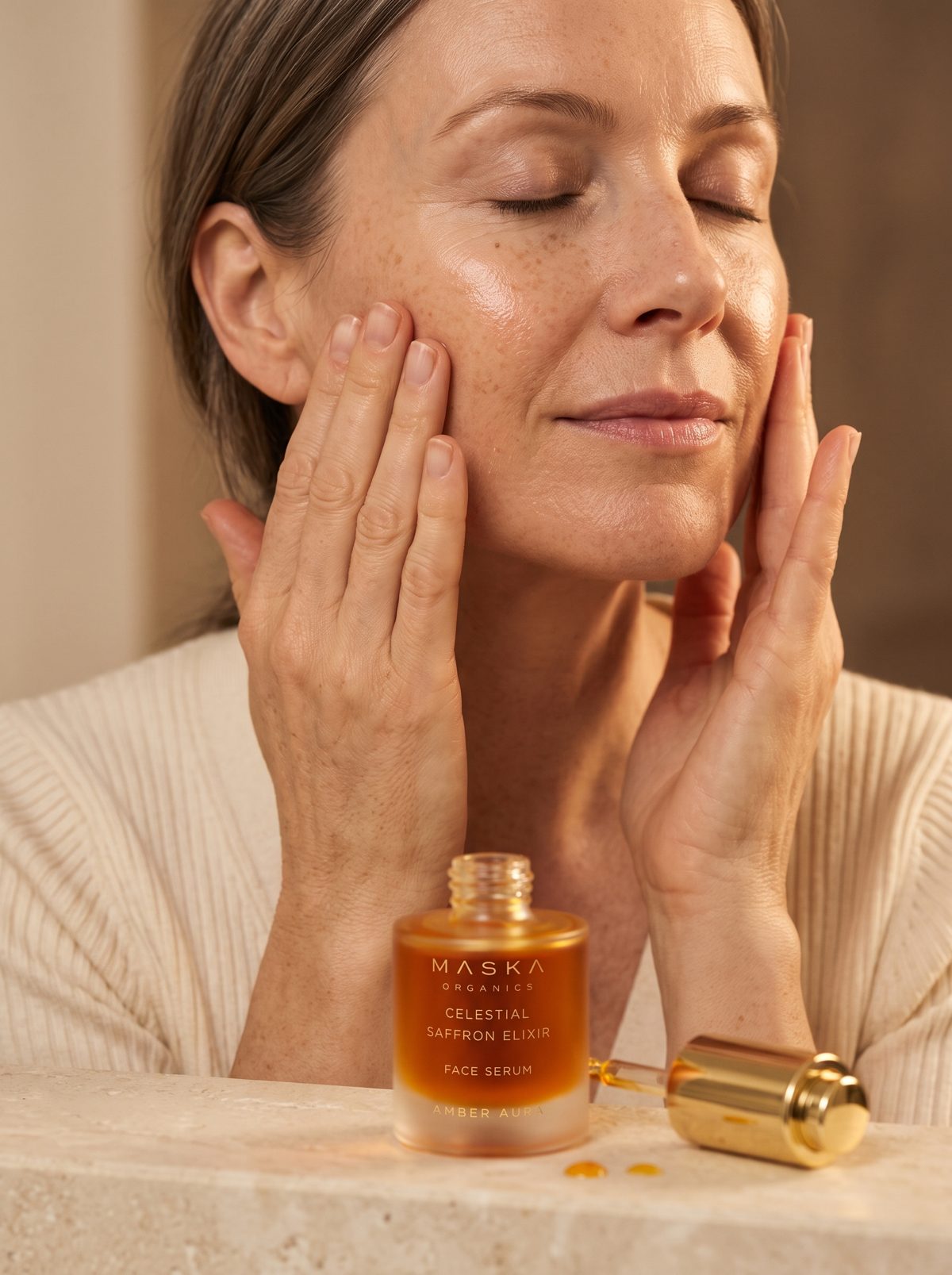
You can use it morning and night, though most people see the most noticeable results with evening use, while skin does its own overnight renewal.
Your questions, honestly answered
Won’t a face oil make me greasy or break me out?
Celestial Saffron Elixir is formulated as a lightweight serum oil that sinks in without a greasy film. You only need 2–3 drops. If you’re prone to congestion, start with evenings only and see how your skin responds.
My skin is sensitive right now. Is this safe for me?
It’s tested for sensitive skin and contains no synthetic fragrance, artificial colors, sulfates, parabens or silicones. Because it’s made with natural botanicals, we always recommend a patch test on your inner arm or jawline first, especially if your skin is currently irritated.
Do I have to throw out my retinol or vitamin C?
That’s your call. Many people find that once their skin feels fed and comfortable, they don’t miss the harsher steps. Others simply use them less often. Celestial Saffron Elixir works on its own or alongside a simple routine.
Why does it cost more than a drugstore serum?
Saffron is the world’s most expensive spice, picked by hand three threads at a time. The serum is made in small batches using the slow, traditional steeping method. And because you only use 2–3 drops, one 30 mL bottle lasts for months of nightly use.
Is it cruelty-free?
Yes. Maska Organics is Leaping Bunny certified cruelty-free.
Stop fighting. Start feeding.
Give your skin one month of being cared for instead of corrected, and see what it does when it isn’t under attack.
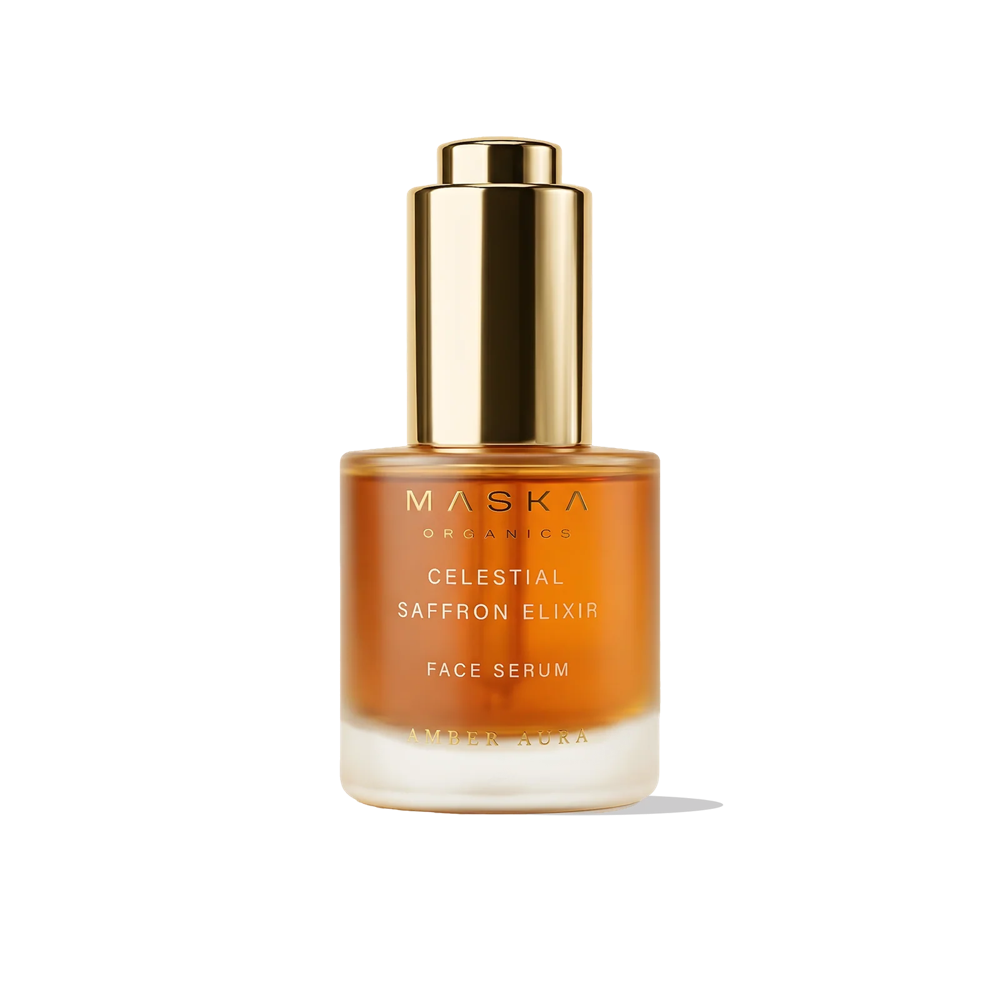
- Kumkumadi-inspired saffron serum, made in small batches
- Free Velvet Virtuoso Facial Cleanser with purchase
- Tested for sensitive skin · no synthetic fragrance
- Leaping Bunny certified cruelty-free



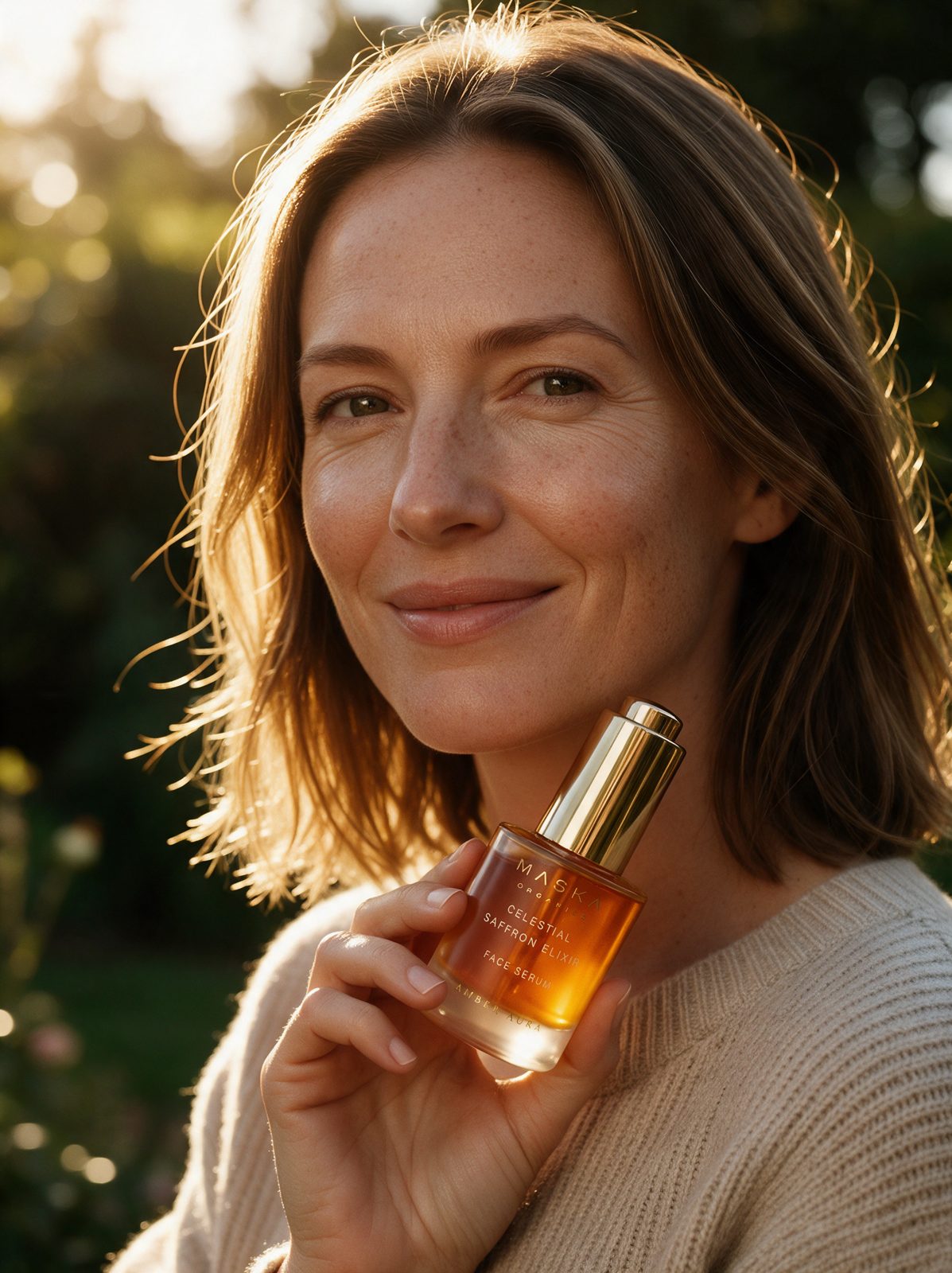
You’ve spent years trying to beat your skin into submission. It’s been patient with you the whole time. Maybe it’s time to return the favor.
Your skin is not your enemy. It never was.
P.S. If your skin is stinging, tight or reacting to everything right now, that’s not a sign you need something stronger. It’s a sign it needs something kinder. Celestial Saffron Elixir is two or three drops of exactly that, and during the Holiday Sale it’s 30% off. See it here.